

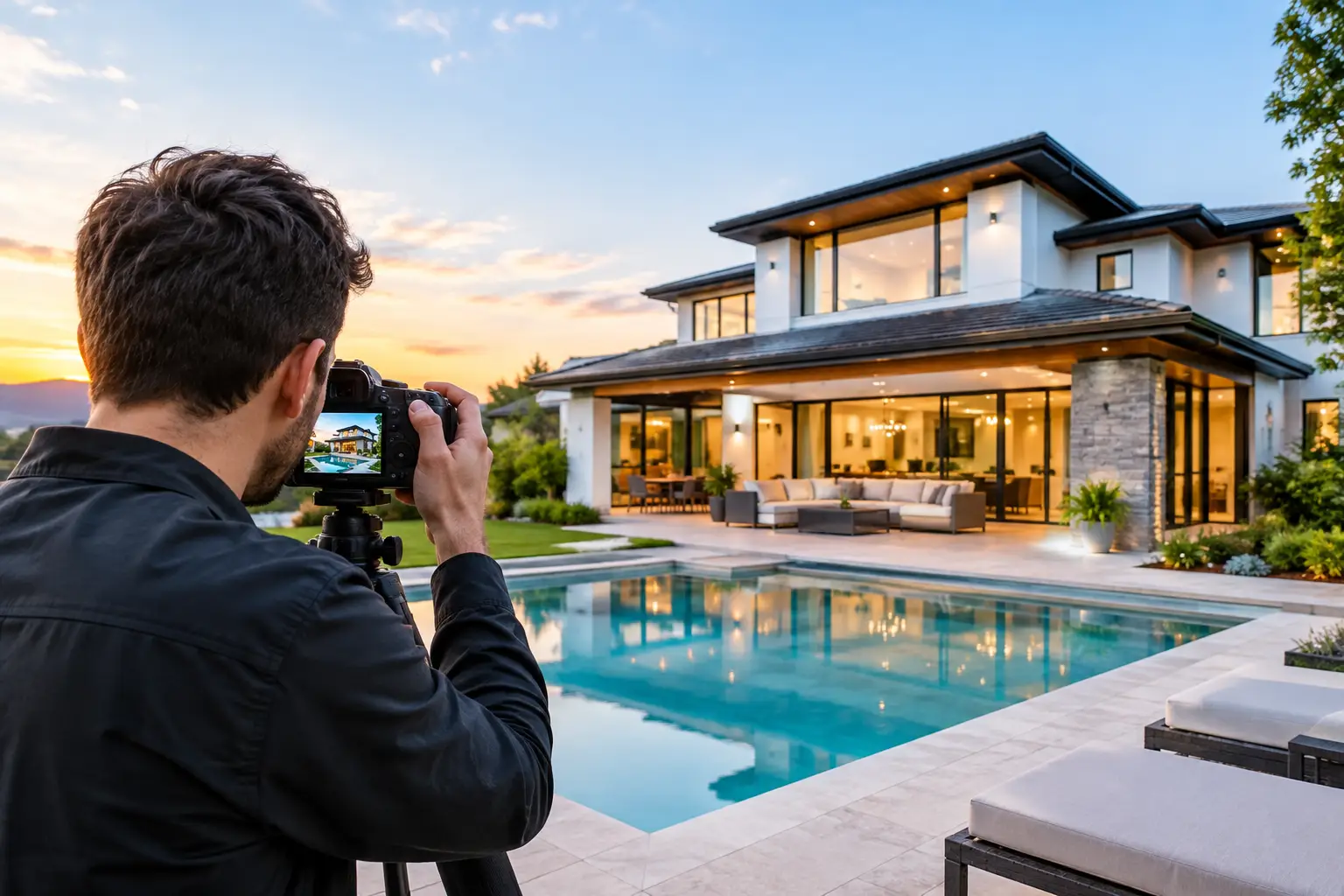
A listing can lose attention before a buyer reads the first sentence. When the lead image is dark, a key room is missing, or the photo sequence feels incomplete, buyers swipe past and sellers start asking why their home is not being shown at its best. Unlimited HDR real estate photos solve a practical problem for agents: you can show the full story of a property without having to count frames, cut important angles, or worry that a larger home will outgrow the photo package.
For Florida agents working against tight launch dates and competitive inventory, complete visual coverage is not a luxury. It is the foundation of a stronger MLS presentation, better Zillow and Trulia visibility, and social content that gives buyers a reason to stop scrolling.
What unlimited HDR real estate photos actually mean
Unlimited does not mean taking random photos of every wall. It means the photographer captures the rooms, features, angles, and exterior details needed to market the property properly, rather than limiting the shoot to a fixed image count. A compact condo may need fewer final images than a waterfront estate, but each listing receives the coverage its layout and selling points require.
HDR stands for high dynamic range. Real estate interiors often include bright Florida sunlight through windows and comparatively darker rooms. A single exposure can leave windows blown out, corners too dark, or finishes dull. HDR photography combines multiple exposures to create a balanced, natural-looking image where buyers can see the room, the view, and the details that support value.
The goal is not an artificial look. Effective HDR editing preserves accurate color, clean lines, and realistic brightness. Buyers should be able to picture the property clearly, while sellers should recognize the home they are trusting you to represent.
Why photo limits can weaken a listing
A fixed photo count may work for a simple property, but it can create avoidable decisions on larger or feature-rich listings. Do you show both the formal dining room and the breakfast nook? Is the renovated laundry room worth including? Should the screened lanai, community amenities, boat dock, pool, oversized garage, or second primary suite make the gallery?
When photos are capped, the answer is often no. That can leave buyers with an incomplete impression of the home and force agents to choose between the property’s best features. Unlimited coverage removes that friction. It gives the listing room to communicate scale, flow, upgrades, and lifestyle without turning the gallery into a rushed highlight reel.
This matters especially when a home has an unusual floor plan. A well-planned photo sequence can help a buyer understand how the kitchen connects to the living area, where the bedrooms sit in relation to common spaces, and what makes an outdoor area usable. More coverage is valuable when it makes the layout easier to understand.
The listing benefits buyers and sellers can see
A complete HDR gallery helps agents create a more credible first impression. Buyers often begin their search on a phone, moving quickly through search results. Bright, consistent images earn the click. A gallery that answers basic questions about the home encourages buyers to spend more time with the listing and decide whether to schedule a showing.
For sellers, the benefit is easier to explain. Their property receives the attention it deserves, including the rooms and features that influenced their pricing expectations. They are less likely to ask why a renovation, view, or outdoor improvement was left out of the marketing.
For the agent, unlimited photography supports a more polished listing launch. You have enough MLS-ready images to build a complete gallery, enough variety for social posts, and enough detail to support property flyers, email campaigns, and brokerage marketing. One appointment can produce assets that work across the places buyers actually see the home.
Unlimited does not mean every image should be used
There is an important trade-off: full coverage should still be curated. An effective real estate gallery is not simply the largest possible gallery. Repetitive angles, weak transitional spaces, or photos that do not add useful information can dilute the strongest images.
The right approach is to photograph generously, then deliver a polished set that tells the listing story in a logical order. Start with the exterior or strongest opening image, move through the main living spaces, show bedrooms and baths clearly, then include exterior living, views, amenities, and specialty spaces. The final selection should feel complete without making buyers work to find what matters.
This is also why photographer experience matters. A trained real estate photographer knows when another angle adds value and when it only repeats what the buyer already understands. They can manage window light, mixed indoor lighting, reflective surfaces, vertical lines, and room composition while keeping the appointment moving on schedule.
When HDR coverage makes the biggest difference
Unlimited HDR photography is especially useful for properties that have more to explain. Homes with pools, acreage, waterfront access, multiple living areas, detached structures, luxury kitchens, finished garages, or substantial renovations benefit from more complete visual documentation. New construction and model homes also need broad coverage because buyers are evaluating finishes, layout options, and lifestyle details.
It is equally valuable for modest homes with thoughtful upgrades. A first-time buyer may care deeply about an updated bathroom, storage solution, covered patio, or clean laundry area. The listing does not need to be large to deserve professional coverage. It needs to be presented in a way that makes its value easy to see.
Commercial properties can benefit as well, although their photo plan should be tailored to the marketing objective. A retail space, office suite, medical facility, or industrial property may need imagery that documents access, frontage, parking, interior condition, signage opportunities, and functional areas. In those cases, the right coverage is guided by the likely tenant, buyer, or investor.
Build a complete media plan around the photos
Photography is the anchor, but some listings need more than still images to compete. Aerial photography can establish lot size, waterfront position, nearby amenities, or proximity to major roads. A Zillow 3D Home Tour helps remote buyers explore the layout. A cinematic walk-through video can create a stronger emotional introduction, while a short reel gives agents a format built for Instagram Reels, TikTok, and YouTube Shorts.
Virtual staging is useful when vacant rooms need context, and twilight imagery can give a premium exterior a more dramatic lead image. Floor plans answer a different question: how does the home actually work? The strongest listing packages combine these tools based on the property, audience, and marketing plan, not because every add-on belongs on every listing.
Virtuals1 makes this easier by pairing unlimited HDR listing photos with an MLS-compliant virtual-tour slideshow and offering add-ons when the property needs broader exposure. The practical advantage is a single production partner that can help move a listing from appointment to launch without juggling separate vendors.
Prepare the property so the photos work harder
Even excellent photography cannot fully compensate for a rushed prep job. Before the appointment, sellers should clear counters, remove personal items, open blinds where appropriate, replace burned-out bulbs, hide pet supplies, and make sure outdoor spaces are clean. Agents can provide a simple checklist and set expectations early, especially when sellers are still living in the home.
Timing matters, too. Schedule photography after cleaning, staging, repairs, and landscaping are complete. If you plan to use drone images or twilight photography, consider weather, sun position, and the condition of the exterior. A few minutes of planning can prevent a reshoot and protect your launch timeline.
The best visual strategy is straightforward: show the property completely, present it accurately, and publish quickly while buyer attention is highest. When every room and feature has a chance to support the sale, your listing is better positioned to earn the next click, the next inquiry, and the next showing.